Seller’s Guide: How to Prepare Your Property for a Successful and Speedy Sale
When you make the decision to sell a flat or a house, you enter a dynamic process where the ultimate goal is always the same: to achieve the maximum realistic market price, navigate the administrative labyrinth stress-free, and complete the sale in the shortest possible timeframe. However, in my day-to-day work within the Zagreb property market, I constantly notice the exact same mistake – due to a lack of property presentation, many sellers unknowingly lose thousands of pounds because the first impression clinches the purchase within the first few seconds.
Selling a property requires a serious strategy and thoughtful preparation. No one would place a car advertisement classified before thoroughly cleaning it, removing personal items, and emptying the boot. With flats and houses, this preparatory phase is even more critical and financially justified. Due to the specific nature of our local market – ranging from the historic and charming, yet structurally challenging flats in the Upper and Lower Town (Gornji i Donji grad), all the way to modern new builds in residential areas like Trešnjevka, Svetice, or Novi Zagreb – buyers today are more cautious, informed, and demanding than ever before.
The sale of a property does not begin when the advertisement is published; it starts with good preparation. In this detailed guide, I will show you how to use proven design and commercial presentation principles to optimally prepare your property for the market and avoid costly mistakes that could slow down or jeopardise the sale.
1. Emotional Detachment and “De-cluttering”: Make Room for the New Owner
It is completely natural to be emotionally attached to your home, the walls within which you have spent years, and the memories you have created there. However, the moment you decide to put your property on the market, you must start viewing your home as a product. A potential buyer coming for a viewing wants to imagine their future life in that space – not observe the detailed history of yours.
Depersonalisation of the Space: The first step is to remove all overly personal items. This includes family photos on the walls, children’s drawings on the fridge, religious symbols, diplomas, souvenir collections, and highly specific decorations. It is necessary to highlight the functionality and potential of the space, making it neutral and appealing to a wide circle of buyers.
Removing Excess Items for the Best First Impression: Cluttered rooms, overfilled shelves, and packed loggias visually reduce the property’s volume. The buyer is paying for every single square metre according to current high prices – so allow them to actually see those square metres. If you have bulky armchairs, oversized chests of drawers, or extra side tables blocking walkways, move them temporarily to a storage facility and create space. There must be free space between furniture for unhindered movement. It is vital that furniture does not obstruct windows and that each room clearly demonstrates its function.
The 70% Rule in Wardrobes: Ample storage space and elegant built-in wardrobes are key to a tidy home, which is why buyers highly value them when choosing a property. During a viewing, they are guaranteed to open wardrobes to check their spaciousness. If your wardrobes are bursting at the seams and things are falling out, you send a message that the property lacks sufficient storage space. Empty built-in wardrobes by at least 30% to make them look spacious and organised.
Clearing All Superfluous Items from Worktops: Kitchen worktops must be clear of kitchen appliances, spices, dish sponges, and other items. Only a single, aesthetically pleasing detail should remain, such as a modern bowl filled with fresh fruit. In the bathroom, hide away all toothbrushes, shampoos, cosmetics, and dirty laundry.
2. Architectural Psychology and Minor Repairs: Details That Make Money
During a viewing, buyers unconsciously compile a checklist of defects and mentally add up the potential renovation costs for every imperfect detail.
As a seller, your focus should therefore be on targeted value enhancement: eliminate visual flaws through necessary cosmetic repairs instead of sinking valuable capital into unnecessary major renovations. Should larger interventions be required, it is often wiser to present the property transparently in its current condition and adjust the price accordingly. Otherwise, expensive refurbishments risk becoming a loss-making venture, as the final sale price rarely covers the amount invested.
Minor defects like squeaking doors, a loose skirting board, or a damaged plug socket cover cost you next to nothing, yet they send a significant subconscious signal to the buyer: “This property has not been maintained with care.” In doing so, you hand the buyer leverage to strategically drive down the price during later negotiations.
Focus on mechanics and joinery: Oil all hinges on doors and windows. Secure loose door handles and knobs on cupboards. If a roller shutter is jamming or the shutter cord is worn or snapped, it is essential to repair or replace it. Check and secure any skirting boards that have come away from the wall.
Refurbishing sanitary facilities: A dripping tap or an audibly running toilet flush acts as a red flag to prospective buyers, unconsciously conveying the impression of a general backlog of maintenance. Replace the mechanism, the seals, or the entire fittings if they are outdated. Nothing signals hygiene and care in a bathroom as much as flawless grouting and sealant. Replace yellowed silicone around the basin and bathtub with fresh, pure white anti-mould silicone – the visual difference is immense.
Light fittings: Check all light fittings throughout the house. Replace any blown light bulbs. It is important to use bulbs with the same colour temperature in all rooms (warm white light between 2700K and 3300K is recommended), as this creates a consistent and warm ambience, whereas cold, bluish light leaves the impression of a sterile hospital.
3. Professional Cleaning and Eliminating Hidden Odours
Cleanliness directly communicates the quality of a property’s maintenance. When a space is spotlessly clean, the buyer automatically assumes you looked after the hidden pipework, walls, or roof with the exact same care.
Focus on critical points: The property must be thoroughly deep-cleaned before photography and prior to every viewing. Scrub the grouting in the bathroom and kitchen diligently, and remove all traces of mould or discolouration. Limescale deposits on the fittings and the glass surfaces of the shower enclosure should be completely eliminated to leave an absolutely immaculate impression. Mop the floors and dust all visible surfaces.
Neutralising Odours: Every home has its own specific scent that the owners are used to, but buyers notice it immediately. Thoroughly ventilate all rooms before viewings. Strictly avoid aggressive and cheap artificial air fresheners, such as sprays or car scents, as they arouse suspicion that you are trying to hide something. Instead, opt for a subtle scent or brew fresh coffee – the smell of coffee is proven to evoke a feeling of home and comfort.
Traces of Pets: No matter how much you love your pets, the smell of cat litter or dog hair on the carpet can instantly put off a buyer who is not an animal lover. Thoroughly clean all upholstered furniture and carpets with a vacuum cleaner or arrange a dry clean, if necessary, wash pet beds, and temporarily move food bowls and toys out of sight.
4. A fresh coat of paint in neutral tones
A fresh coat of paint is the most profitable investment when selling a property. As walls make up the largest surface area of the house, they decisively determine the perception of light, space and spaciousness.
Neutralising individual colour schemes for broad buyer appeal: You might love a vibrant red wall in the dining room or a brown bedroom, but such colours visually shrink the space and rarely suit the taste of a new buyer. Repaint all walls in neutral tones – pure white or a warm off-white are the best choices. Light colours visually expand the space and reflect light, making the room appear larger.
Neutral walls act as a blank canvas, making it easier for potential buyers to mentally place their own furniture and decorations within the space. Furthermore, a fresh coat of paint reliably conceals minor scratches, smudges and the inevitable marks around light switches.
5. The art of presentation: staging spaces with light and details
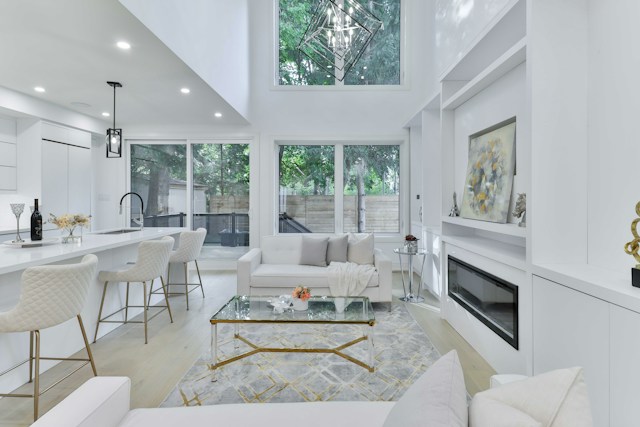
Once the cleaning and repairs are complete, the most crucial part begins – staging an atmosphere that evokes emotions in the buyer.
Maximising natural light: Clean the windows from both sides, as clean windows let in up to 30% more natural light. Brightness is one of the most important factors in a purchase decision. Before photography and the arrival of buyers, fully open all roller shutters and draw heavy curtains wide apart. If a window looks out onto an unfavourable view (such as a neighbouring wall), a light, transparent white curtain is recommended: it allows daylight to flood in unhindered while cleverly concealing the view outside.
Ambient lighting: Do not just turn on the central ceiling light, as this can cast harsh shadows. Instead, switch on table lamps, floor lamps in the corners of the living room, and the concealed lighting under the kitchen cupboards. This adds depth to the room and contributes to a cosy and warm atmosphere, even if the viewing takes place in the middle of the day.
An orderly and clutter-free space: Make the beds, hide all cables, and put away everyday items out of sight.
Aesthetic fine-tuning: Place a simple vase with fresh flowers in the centre of the dining table. Arrange two or three cushions in a contrasting colour on the sofa to visually enhance the room. In the bathroom, make use of the hotel effect: place unused, pristine white towels where they immediately catch the buyer’s eye, conveying a sense of luxury and freshness.
Specific preparations depending on the property type
If you are selling a flat:
Staging the communal areas of the building: The buyer forms an opinion about your flat before they even step inside. If the building’s entrance hall is littered with old leaflets, sweep them away. Clean the area outside your front door and, if necessary, replace the old doormat with a new, neutral one. You should replace a blown light bulb in the stairwell or hallway yourself immediately or coordinate the replacement with the property manager – the buyer must never have to walk through a dark corridor.
The balcony as a premium selling point: Particularly in urban locations like Zagreb, private outdoor space is worth its weight in gold. If your flat has a balcony, loggia, or terrace area, do not let it go to waste as a storage space for old furniture or clutter. Clear it completely, mop the floor, and set up a small folding table with two chairs. A green plant and a coffee cup on the table directly show the buyer how they could spend their mornings.
If you are selling a house:
The first impression from the street (Curb Appeal): The garden and facade form the front window of your property and shape the buyer’s perception before they even get out of the car. Particular attention should be paid to the entrance area, the driveway, the courtyard, as well as terraces and balconies. Ensure a tidy appearance by consistently removing wheelie bins, garden hoses, and tools from view. A freshly mown lawn, neatly trimmed hedges, and paths and flowerbeds cleared of weeds signal absolute maintenance. Remove dry leaves and branches entirely to provide an inviting framework for the property.
Pressure washing and detailed outdoor maintenance: Clean concrete or paved paths, entrance steps, and the veranda with a pressure washer to remove accumulated moss and dirt. The front door of the house must be spotlessly clean, and the handle and house number should be polished to a high shine.
6. Legal certainty builds trust: reviewing documents and dismantling sales barriers early
The finest property presentation will fall completely flat if the sales process stalls or collapses the moment the buyer requests to inspect the paperwork. In the Croatian and particularly the Zagreb housing market, the rules of the game are stricter today than ever before. Prospective buyers are extremely risk-aware and usually finance their purchases through bank loans – and it is precisely these institutions that meticulously vet every property before approving the funds. Compile a complete document file before the listing goes online. This ensures you are perfectly prepared to present all paperwork to serious buyers instantly and with confidence:
Land Registry Extract (Vlasnički list): Check that the exact square meterage and the owner’s name are entered correctly, and ensure there are no active pending applications (plombe), legal disputes, or old encumbrances (such as long-repaid mortgages) that urgently need to be cleared. If the ownership data does not match the actual status, or if the property has multiple co-owners, clarify in advance what needs to be resolved.
Use Permit (Uporabna dozvola): If this certificate (or the legal equivalent for older buildings) is missing, Croatian lending institutions will usually block the application for a housing loan at the very first stage. Ensure that your house or building has a positive note registered. Since the process of obtaining this document can take months, you should initiate it immediately.
Energy Performance Certificate (Energetski certifikat): Procuring this document is a statutory requirement for all properties over 50 m² that are being rented out or sold. As marketing a property without a valid certificate risks heavy fines, you should take no chances here.
The architectural floor plan as a sales booster: Prospective buyers tremendously appreciate receiving a clear, professionally measured floor plan right at the initial presentation. A precise layout makes it easier for them to plan future furniture arrangements, visualise room reconfigurations, or consider removing non-load-bearing walls immediately after the viewing.
7. Highlight potential instead of burning your budget
A common misconception among property owners in Zagreb is the belief that the costs of a full kitchen or bathroom renovation just before selling can be recovered pound for pound in the sale price. However, market reality paints a different picture: the answer is almost always “no”. Because tastes vary wildly and design trends change rapidly, there is a high risk that the buyer will want to replace those expensive tiles or kitchen fronts anyway to adapt the rooms to their own personal style. Focus instead on visualising the spatial potential. If your flat has a large, impractical storage room or hallway, demonstrate to the buyer how this area could be converted into an additional toilet or a practical walk-in wardrobe.
Given the history of older buildings in the wider centre of Zagreb, you should display absolute openness from the very beginning regarding the condition of the building, its structure, and post-earthquake stability. Honesty and the proactive provision of technical data build professional trust. In the end, this always pays off through a significantly faster completion and a stable sale price.
Conclusion
Preparing a property for sale demands time, commitment, a trained eye for detail and, above all, the ability to detach yourself from personal emotions. However, this strategic effort pays off many times over: it noticeably shortens the time the property spends on the market and secures you an unbeatable negotiating position.
A professionally presented, clutter-free and technically vetted property attracts a significantly higher number of serious prospective buyers in Zagreb. This strategic preparation reduces the negotiation phase to an absolute minimum and, most importantly, secures your ultimate sales goal: achieving the maximum market value for your property.
Are you planning to sell your apartment or house? Don't leave the largest financial transaction of your life to chance, and don't waste time on endless viewings with unserious buyers.
Contact us today by phone or email and arrange a free initial consultation!Contact us